- What is your name and what is the name of your business?
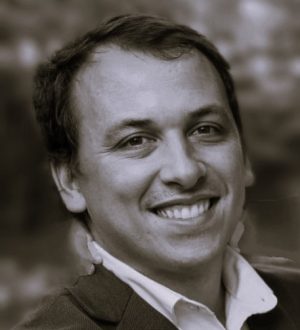
My name is Sergio Lopes and the business is Mentor Initiative.
- What does the business do and who are your customers?
We are an NGO (non-government organisation) that works to control tropical diseases where people have been displaced or affected by conflict. Most of our business is not here in the UK, it’s in many other countries, areas such as South Sudan and The Central African Republic. Our customers ultimately are the people who are displaced or affected by conflict that suffer from tropical diseases. Our business is mostly focussed on controlling vectors to prevent the spread of disease. This could be mosquito’s or various types of flies. We basically make a proposal to governments from other countries or UN agencies, who pool funds to help eradicate these diseases. We secure the funds, make the interventions and report back on the effectiveness.
- What’s the history of the business & what’s your role within the business?
Mentor was founded in 2002 by Richard Allan who previously worked with other organisations such as WHO. He created Mentor because he realised there was a gap in the system for vector control in emergency settings, for example refugee camps. There was a lot of response from governments, agencies and charities for setting up field hospitals and clinics etc, but at that time there was very little being done to prevent those cases from arriving in the hospitals in the first place. The purpose of Mentor is to respond to outbreaks and population displacement with vector control tools – for example insecticide treated mosquito nets, indoor residual spraying and dealing with open water where the mosquitos and flies breed. We are also involved in other areas now, such as emergency sanitation, often an issue when a population is suddenly displaced. We have also evolved into the clinical side of things as a natural progression. In some areas there wasn’t anywhere for those cases that did occur to be treated so we provided that. Another area we focus on is neglected tropical diseases that gain little attention but could in fact be eliminated relatively easily.
Richard Allan was CEO until 2023 when he stepped up to chair of the board of directors, and I took over as CEO having worked with Mentor for ten years or so.
- How long have you had an office/dedicated desk/flexi pass here at Freshmill and why were you looking for a space like this?
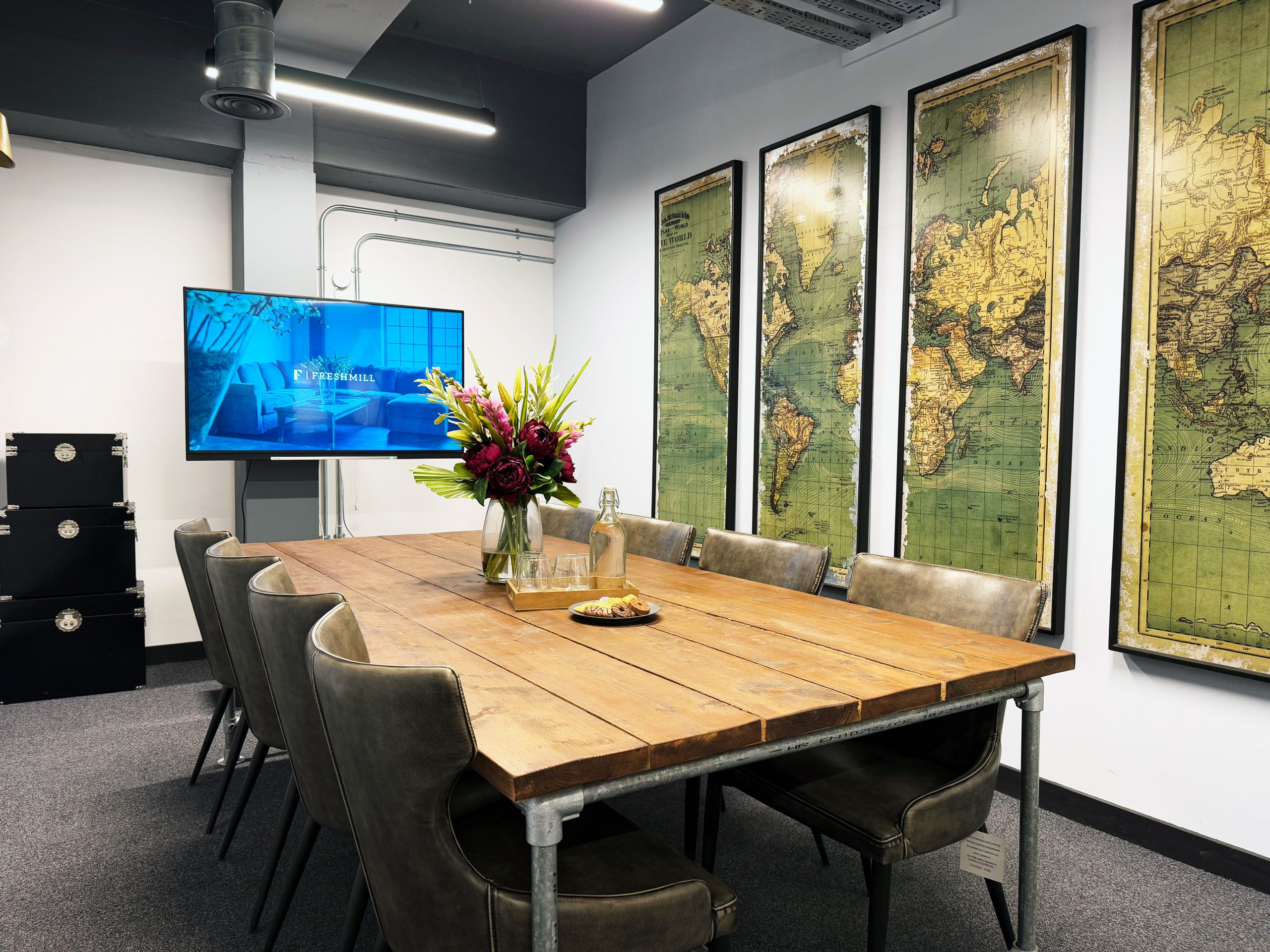
We joined in January. We needed to reduce our office space here in the UK, we had approx. 25 desks and only 8-10 people working there. Our team is spread across Europe, in Portugal, Spain and France, and visit the UK headquarters every now and again but we did not need all that space.
- Why does Freshmill work well for you and your business?
I have worked in a coworking space before and I like to opportunity to interact with other companies and sometimes find services that we need.
- What is the most important lesson you have gained from your career so far?
One of the most important lessons I have learned throughout my career is the value of persistence. In the charity sector, particularly within smaller organisations, it is essential to consistently advocate for the importance of prevention and demonstrate the impact of every dollar invested. Preventing disease often delivers far greater value than treating the patient after it has been contracted. Communicating that message effectively requires both conviction and perseverance.
I have learned that success comes from being bold in championing your cause, continually showcasing the evidence and impact behind your work, and never losing sight of the difference it makes. When you can clearly demonstrate outcomes, persistence becomes a powerful tool for driving support and creating lasting change.
- Where do you hope to be in 5 years’ time?
Honestly, in five years I would like to be in some of the countries where we currently work, celebrating the inexistence of refugee camps and the elimination of some of the diseases that we fight. We will continue to work to try to not be necessary in the future! Currently we are still very much needed but that is my hope for the future.
- What advice would you give your younger self just starting out?
If I could give advice to my younger self, it would be to be more outspoken and confident in advocating for the causes I believe in. One of the biggest lessons I have learned is that creating change often requires being bold and willing to challenge conventional thinking.
In our sector, some causes are naturally easier to gain support for than others. Most people can immediately see the value of funding a clinic or treating patients, but it can be much harder to generate enthusiasm for prevention strategies such as innovative vector control. Yet prevention is often where the greatest impact can be achieved.
- What is your favourite quote/mantra?
I don’t really do quotes! There is one I like which is a bit religious but says, ‘There is a time for everything and a season for everything’. I take that to mean that when we are going through tough periods, things will get better, we won’t suffer forever. This is often useful to remember!
- If you could, who would you switch places with for the day, and why?
One of the main issues that has happened to our business in the last two years is Donald Trump becoming president of the US. He has not only impacted Mentor but the whole charity ecosystem. He cut significant funding for charities on the first day of his administration. And unfortunately, when the US takes the lead on something, the rest of the world tend to follow, so the UK government, who had been championing a lot of humanitarian aid, pulled some of their funding too, along with the EU countries.
To try to put a positive spin on it, it might be a good way of selecting and streamlining the efficiencies of the sector, and for us the hope is that they see the value of what we are doing and how cost effective our solutions are in preventing disease.
So, in conclusion, I would change places with Donald Trump and stop some of the nonsense! It would be great to go back to a normal world where we have some predictability and stability.